Events can't be repeated. Not missing a key moment takes planning, experience and the ability to make quick decisions on site.
A launch, a congress, a gala or a wedding: what events have in common is that they can't be repeated. A speaker's first sentence on stage, the moment an award is presented or a guest's genuine laugh happens only once. That's why event photography is not just about taking good photos; it's about being in the right place at the right time. In this article we look at the key elements of a professional approach to event photography.
Preparation begins before the shoot
Professional event photography starts well before the day itself. Learning the programme, the speakers, the key moments and the organiser's specific expectations in advance means you arrive prepared. Which moments must be captured, which people should be photographed in particular and where the photos will be used should all be clear at this stage.
Seeing the venue beforehand, or at least gathering information about it, is also a big advantage. The size of the hall, the stage position, the lighting conditions and where the photographer can move all directly affect equipment choices and the shooting plan.
Following the flow and anticipating the moment
One of an event photographer's most important skills is anticipating moments. Knowing that a speaker is about to take the stage, an award is about to be presented or a surprise is coming lets the photographer take the right position in advance. That means constantly following the programme and staying in touch with the organising team.
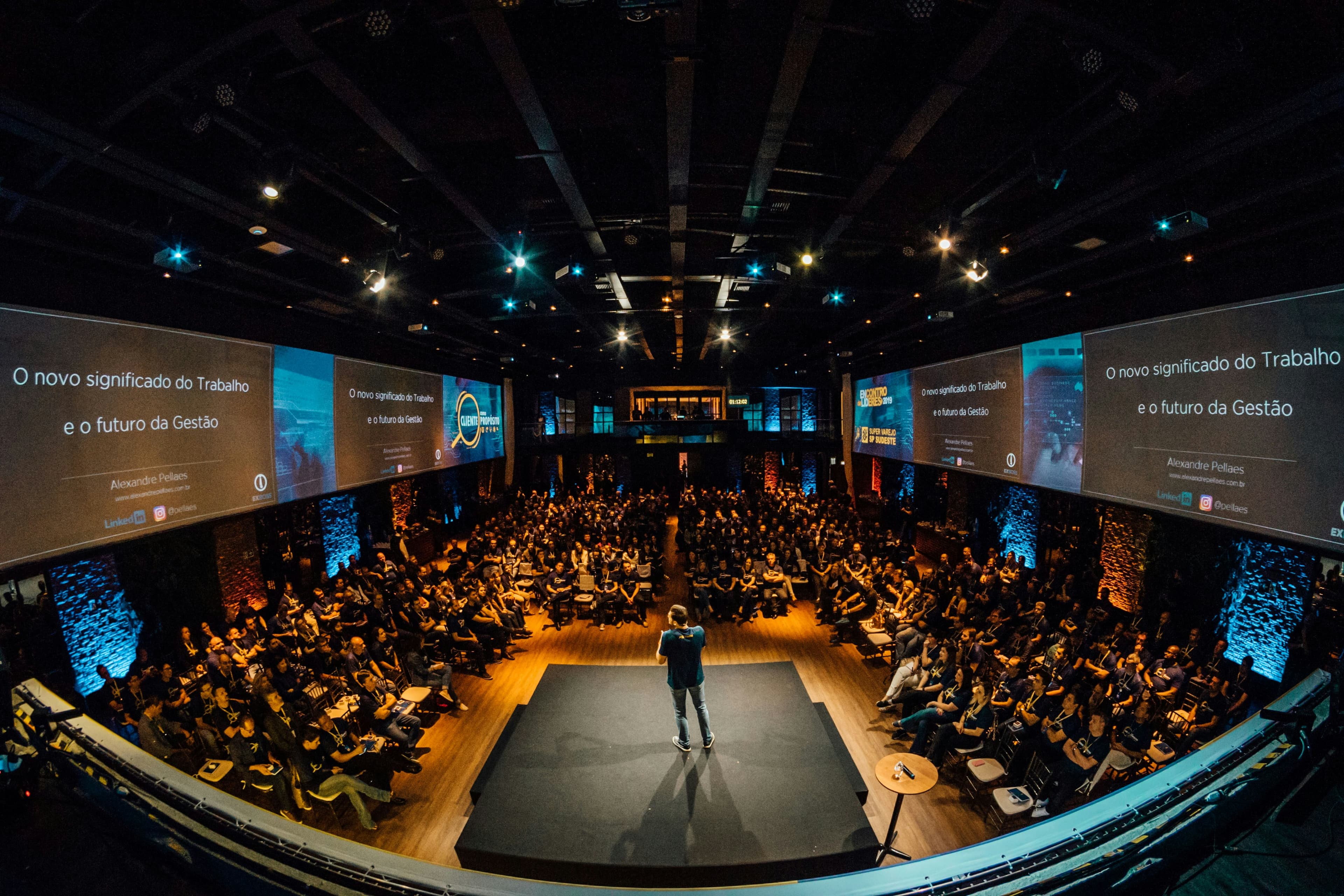
Alongside the key moments, images that capture the overall atmosphere are highly valuable. Attendees' conversations, coffee breaks, backstage preparations and wide shots of the venue tell the event's story as a whole.
Working with difficult light
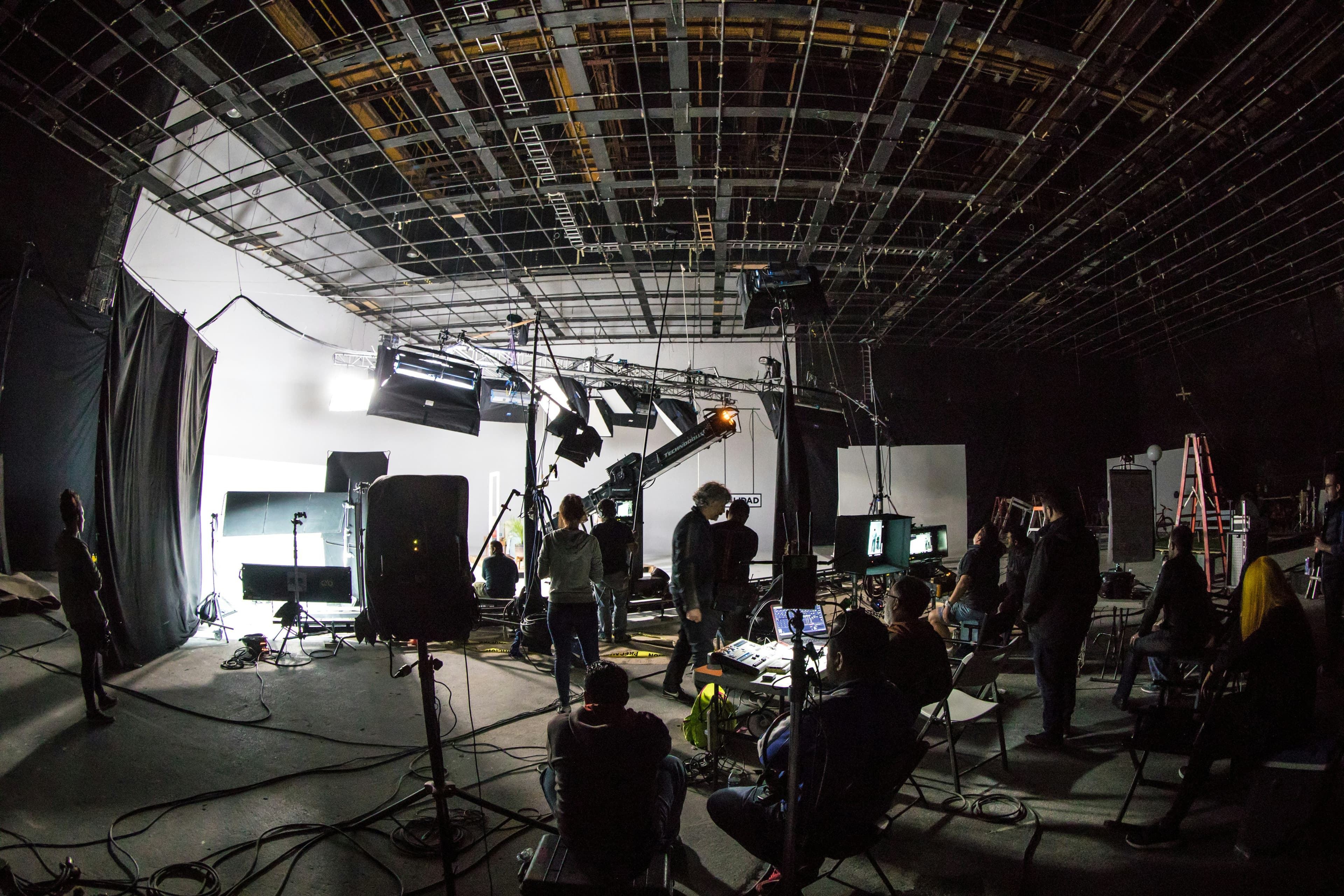
Event venues rarely offer ideal lighting for photography. Dark halls, coloured stage lights, mixed light sources and rapidly changing illumination are common challenges. Getting good results requires equipment that performs well in low light, the right camera settings and, where necessary, additional light that doesn't disturb the setting.
A professional approach sees light not only as an obstacle but also as a storytelling tool. Used well, stage lighting can give photos a dramatic, vivid atmosphere.
Working without interrupting the event
An event photographer must document the event without becoming part of it. Not distracting speakers and attendees, not blocking the stage and not disrupting the flow are core signs of professionalism. Silent shooting modes, suitable clothing and discreet movement help the photographer blend into the setting.
At the same time, the photographer must be able to engage with people when needed. Group photos, protocol shots or planned photos of special moments require polite, clear direction.
Which shots are essential?
Every event is different, but for most corporate events these shots form a basic checklist:
- Wide views of the venue and decoration
- Registration and welcome area
- Speakers and stage moments
- Reactions of the audience and attendees
- Special moments such as awards, signings or ceremonies
- Group and protocol photos
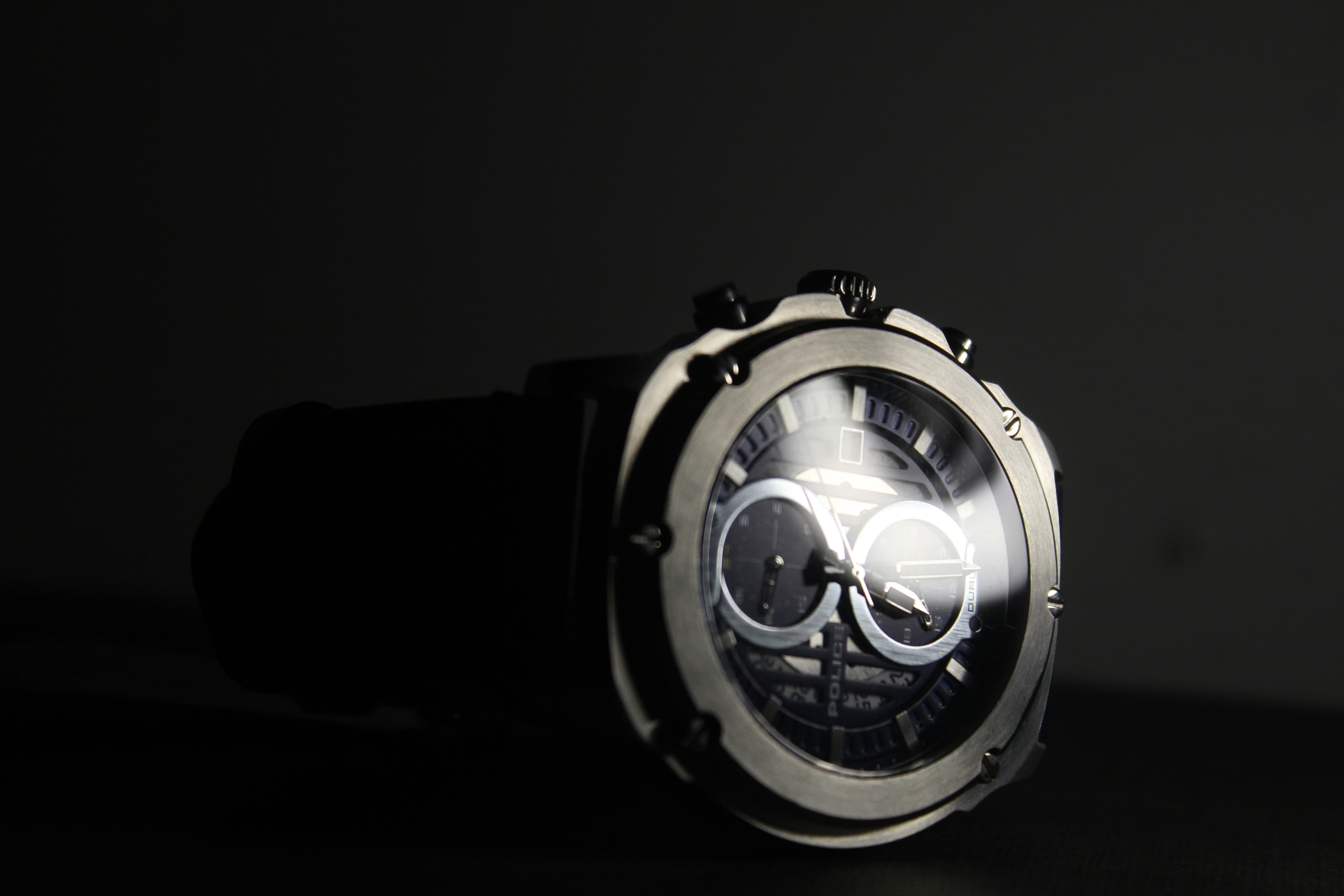
- Products, stands or areas that give the brand visibility
- Natural moments that capture the event's energy
Agreeing this list with the organiser in advance ensures no important moment is missed.
In event photography, the best shot is often the moment when nobody is posing.
Selection, editing and delivery
After the event, choosing the best images from hundreds or even thousands is as important as the shoot itself. Blurry, repetitive or unflattering frames should be removed, and the remaining photos edited consistently for colour, light and framing.
Speed is also an important expectation at corporate events. A selection of images that can be shared on social media during or right after the event increases its digital visibility. Agreeing the delivery plan before the event makes the process easier for both photographer and organiser.
Photo and video together
At many events, planning photography and video together gives a more cohesive result. Photo and video planned by the same team share the same aesthetic and make it possible to tell the event's story in different formats. Sharing a short highlights video alongside selected photos gives a strong experience even to those who couldn't attend.
Conclusion
A professional approach to event photography combines detailed preparation, constant attention to the flow, command of difficult lighting, working without interrupting the event and a fast, careful delivery process. A well-planned shoot turns moments that happen only once into a lasting, shareable story.
Related Service
Event Photo & Video Coverage
We turn the most precious moments of your special days and corporate events into lasting memories with a cinematic narrative.
View Service