A video that lasts a few minutes on screen is the result of a carefully planned process behind the scenes. Knowing the stages helps you manage your project better.
A video that lasts a few minutes on screen is usually the result of weeks of planning and production. A professional video production consists of many interconnected steps, from the initial idea to final delivery. Knowing these steps helps you manage expectations and work more efficiently with the production team. In this article we walk through how a video production process generally unfolds, stage by stage.
1. Brief and discovery
Every production starts with a good brief. At this stage, the video's purpose, audience, key message, channels, length and budget framework are clarified. The brand's visual identity, examples you like and approaches to avoid are also discussed.
The more thorough the discovery stage, the more smoothly the following steps go. In a project with an unclear goal, the direction may need to change frequently during shooting and editing, costing both time and budget.
2. Concept and script
Once the brief is clear, a creative concept is developed. The concept defines the video's story, tone and visual approach. It is then turned into a script, which includes the scenes, dialogue or voice-over, on-screen text and the flow of the story.
In some projects a storyboard is prepared alongside the script. It shows each scene's framing and camera movement in advance, so the whole team shares the same picture on the shoot day.
3. Pre-production planning
Pre-production is where all the logistics of the shoot are planned. The work at this stage usually includes:
- Choosing locations and planning any required permits
- Preparing the shooting schedule and daily call sheets
- Defining crew and equipment needs
- Casting actors or presenters if needed
- Preparing costumes, set dressing and props
- Planning lighting and sound
Good pre-production minimises surprises on the day. Delays and problems during a shoot often stem from insufficient planning at this stage.
4. Shooting
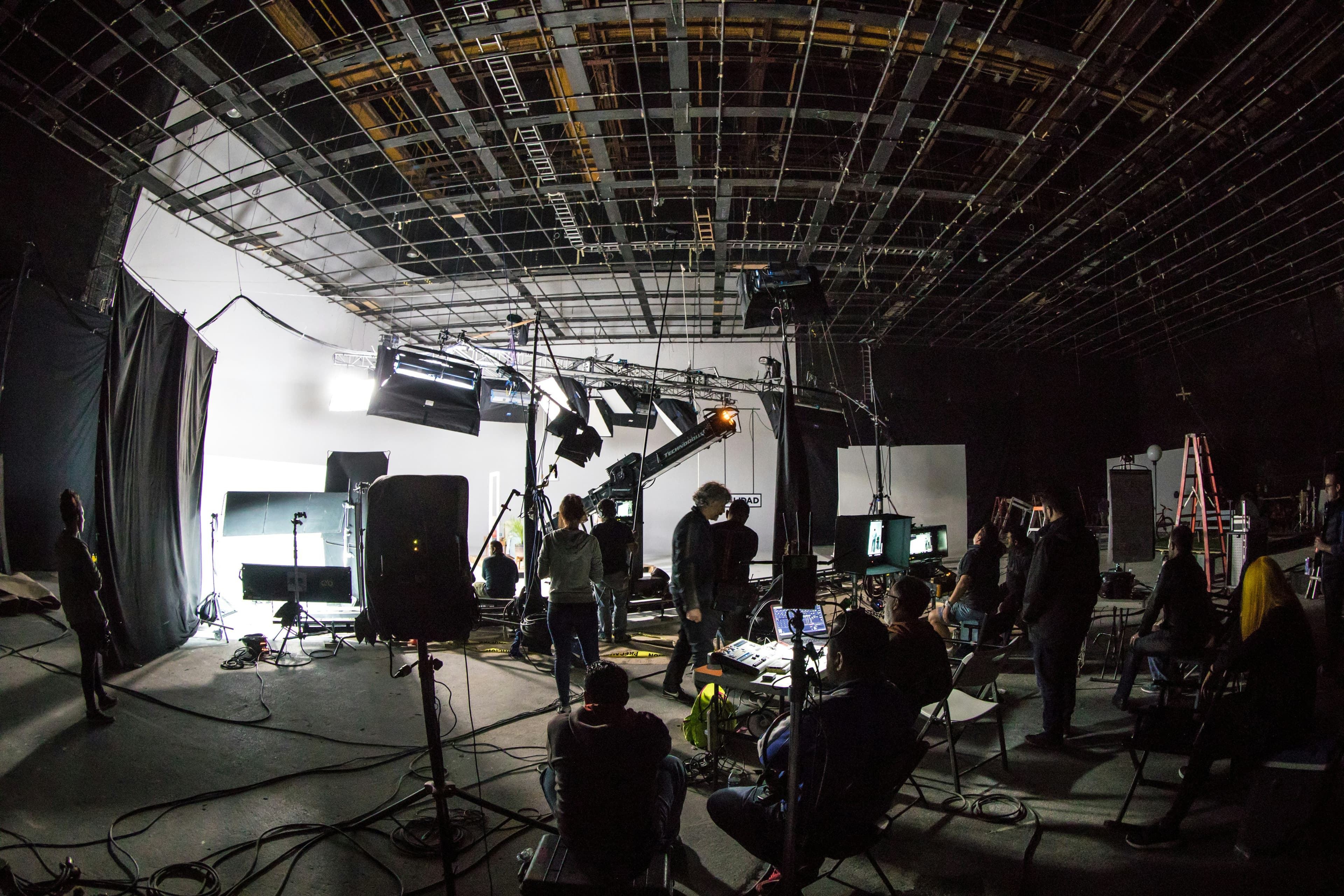
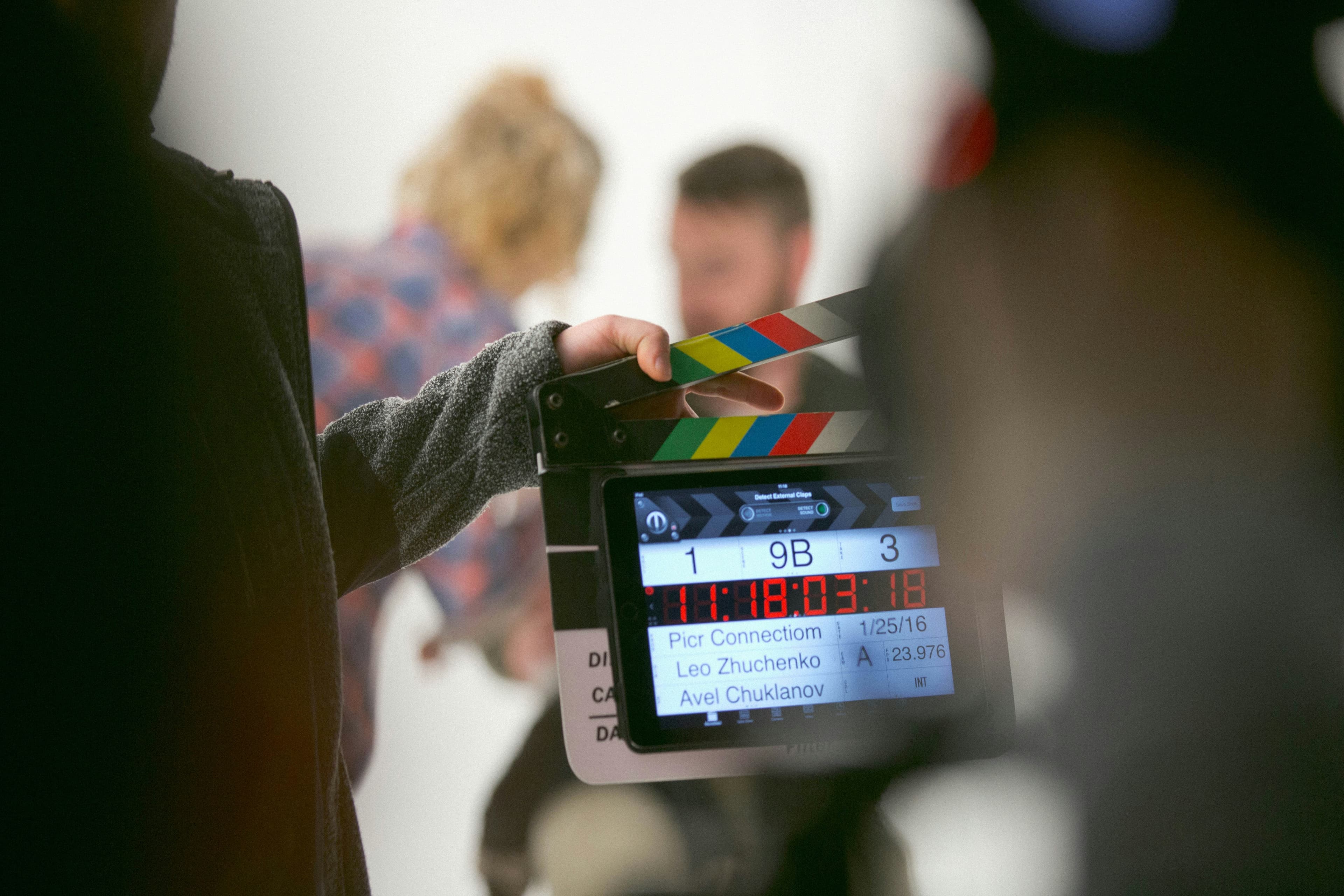
The shoot day is when everything planned comes to life. The director, director of photography, lighting and sound crew work together to record the scenes in the script. In a professional shoot, each scene is usually filmed from different angles and in several takes, giving more options in the edit.
In corporate shoots, not disrupting the business's daily flow is also important. Planning the schedule with the business and preparing the necessary areas in advance keeps things efficient. Drone footage, interviews and detail shots are also captured at this stage when needed.
5. Post-production
Once shooting is complete, post-production begins. This is where raw footage is turned into a meaningful story. In the edit, scenes are ordered, a rhythm is created and unnecessary moments are removed. Colour grading then gives the footage a consistent, cinematic look.
Sound design is another key part of post-production. Music choice, sound effects, voice-over and audio balance directly shape the impression the video leaves. Where needed, motion graphics, subtitles and on-screen text are added at this stage too.
The shoot gathers the material for the story; the edit is what actually tells it.
6. Feedback and revisions
When the first cut is ready, it is shared with the client and feedback is collected. Changes are made within the agreed revision scope. Sending feedback clearly, all together and through a single channel helps the revision process move quickly and efficiently.
7. Delivery and distribution
After final approval, the video is delivered in formats suited to the channels where it will be used. A high-resolution main version for the website, vertical cut-downs for social media and versions of different lengths for presentations can be prepared. At delivery, the licence status of any music and images used should also be checked.
Conclusion
The video production process consists of the brief and discovery, concept and script, pre-production, shooting, post-production, revisions and delivery. Planning each stage carefully keeps the process running smoothly and ensures the finished video has the intended impact. A client who understands the process from start to finish can work far more effectively with the production team.
Related Service
Photo & Video Production
End-to-end photo and video production, from script to final colour grade, telling your brand's story with the impact of a film frame.
View Service